
From madness of New Delhi, to the productivity of Singapore, and to the old world glory of Istanbul, it’s safe to say that Asian cities run the gamut in terms atmosphere, culture, and development. As one of not only Asia’s, but the world’s, major cities, Tokyo lends itself to being highly efficient, impressively modern and culturally unique. As the city embraces the weird and the wonderful, so too does it manage to retain ties to its history and culture.
SIGHTSEEING
Staying in Asakusa, in the city’s northeast, the neighborhood is labeled on maps as being apart of ‘Old Tokyo’. While nothing appeared to be remotely old in the vicinity, it was indeed quieter and a bit less compact than in the ultra-modern districts of Harajuku, Akihabara or Roppongi.
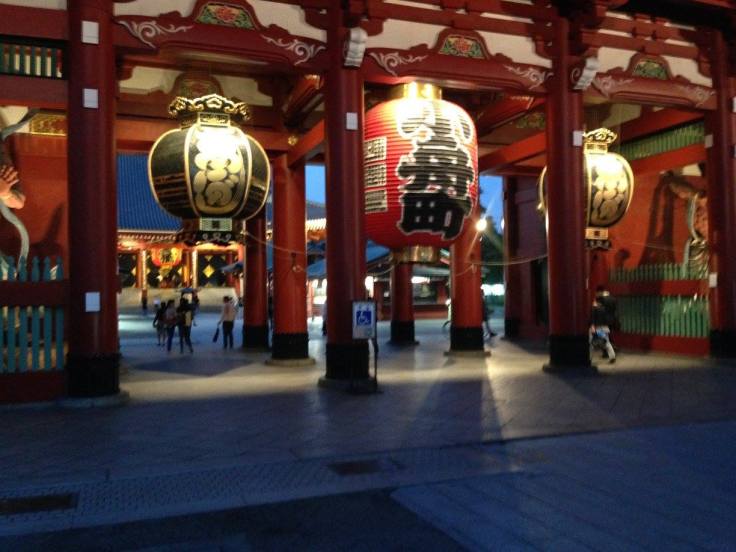
It only takes a few hours to see what Old Tokyo has to offer before it becomes time to journey forth into other areas of the city. The Sensōji (浅草寺) temple is the main attraction on offer in Asakusa. As Tokyo’s largest buddhist temple, it draws crowds not only from foreign tourists, but city locals as well.
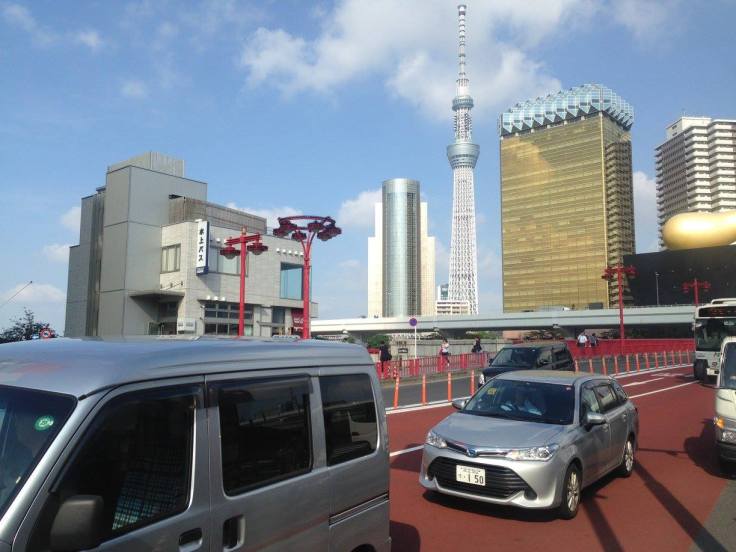
If the sun’s out and the weather’s decent, it is worth it to walk across the Azuma-bashi bridge, and into Oshiage. Part of the Sumida ward, Oshiage offers lovely parks along the bank of the Sumidagawa river. While perfectly nice, many tourists come to Oshiage for one reason only — the Tokyo Skytree. As the 2nd tallest structure in the world — second only to Dubai’s Burj Khalifa — it offers an unparalleled view of Tokyo’s landscape.
Rather than thinking of Tokyo as one big city, it’s easier — and ultimately, more logical — to think of it as a conglomeration of smaller ones. Even on its subway system, which is considered one of the world’s best, it can take quite a while to get from one ‘city’ to another. From Asakusa to Shinjuku, for instance, one should expect at least a forty-five minute subterranean journey.
As I left Asakusa, I got on the subway and picked a stop at random. With that, Shibuya became stop number one. I didn’t know what I was looking for or where I was going, so I began walking in the hopes that an adventure would present itself. It did, indeed. After about thirty minutes of walking east from Shibuya station, I found myself in Harajuku. Narrow streets, packed with people, with shops selling all manner of products; this neighborhood looked like the Tokyo you see in all the movies!
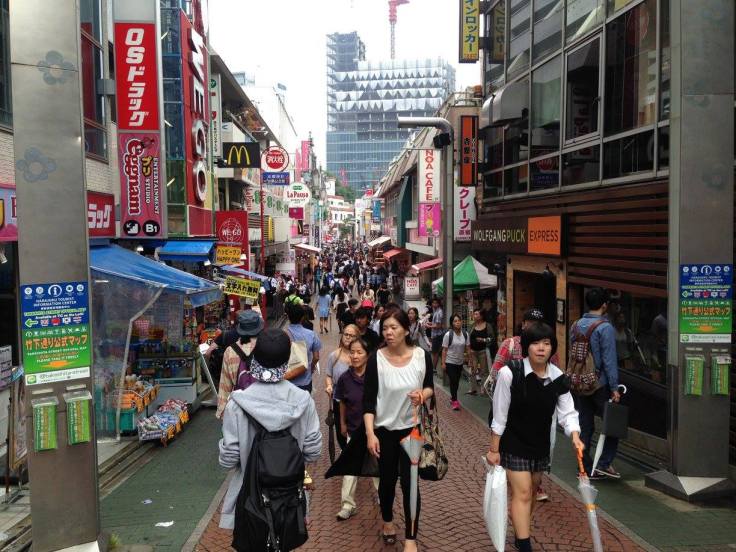
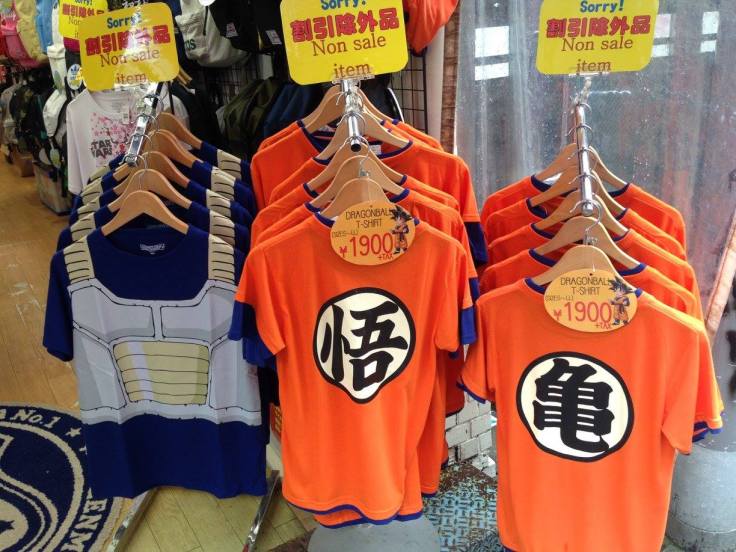
Even in the daylight, the first street I walked along seemed brighter than all that had come before. Considering the environs, this wasn’t a difficult feat. A man dressed as, what looked like, a mix between sailor moon and Aladdin was carrying a neon pink sign advertising shawarma sushi wraps at the ‘pretty princess food court’. In another instance, I passed a — packed — shop that sold only DragonBall Z themed shirts and Super Mario iPhone cases.
As I made my way away from that area of Harajuku, other parts gave off a more cosmopolitan vibe, with designer clothing chains and upscale department stores situated along broad colonial-style avenues. Later, I would visit Ginzu, which appeared remarkably similar. Having neither the funds nor the inclination to visit stores that I could just has easy chance upon in the United States, I began walking south, just to see where I would end up.
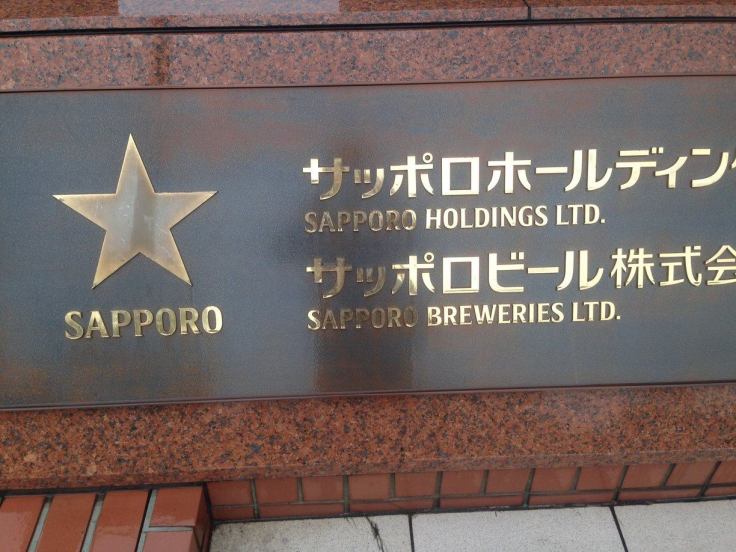
Soon enough, I was in Ebisu. In Tokyo, there are public neighborhood maps every few blocks. At the first Ebisu map, it was clearly advertising three big ‘attractions’: Lawry’s Prime Rib — a branch of the famous Los Angeles institution —, the Tokyo photographic art museum and the Sapporo headquarters, which included a beer museum.
Naturally, the beer museum came first. While the paid tour is all in Japanese, it’s free to look around at the visual history of the brand and its evolution. Next, I tried my luck at the photography museum, but it was closed in preparation for a “grand reopening event”, due sometime in September 2016.
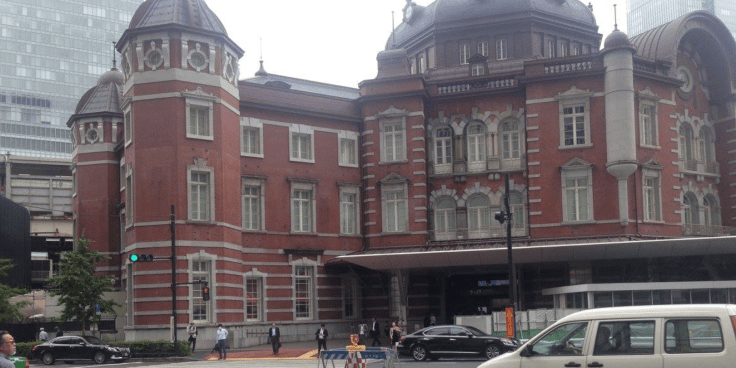
With the Ebisu area relatively exhausted, I found my way to the Yamanote line. In the shape of a circle, the line is one of the more efficient ways to make your way around the city center. Again picking a stop at random, I chose to visit Tokyo central. The station itself is a bit of an oddity.
Within a sea of modern, Asian-influenced architecture, Tokyo central station can only be described as British, or, rather, colonial. With its vaulted ceilings, arched hallways and red brick hue, it really stood out in comparison to everything I had seen thus far. The north and south Maronouchi gates, in particular, are well worth a quick look if passing through.
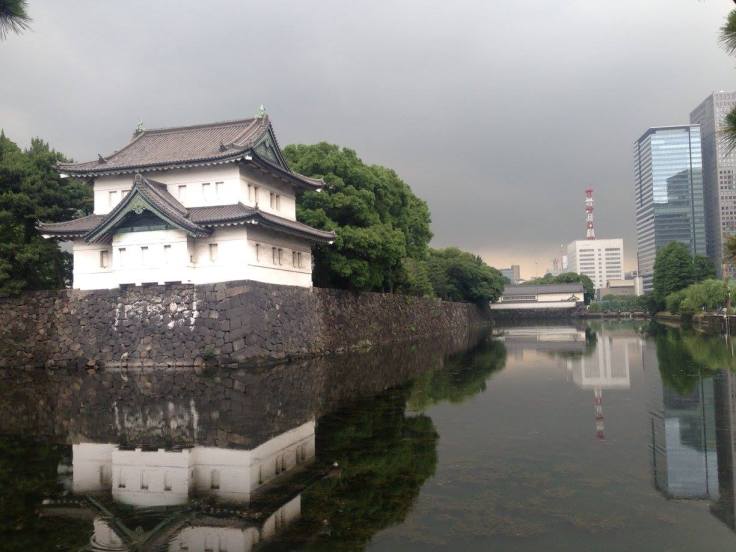
I walked about 10 minutes west of the station, and found yourself at the imperial palace. Fiercely minimalistic and abundantly verdant, the palatial grounds are a clear love letter to Japanese design sensibilities. Every bonsai tree is perfectly manicured and placed, and every blade of grass is level and perfect. Most of the complex is not accessible to the public, but from what I saw, it’s gorgeous.
Surrounded by an angular moat, the still water winds its way around the ground, with picturesque bridges occasionally crossing its span. Even the buildings, with their white walls and sloping black roofs, contribute to an overriding sense of serenity. Even with the urban Tokyo landscape apparent in the distance, it’s easy to forget that you’re in a metropolitan center.
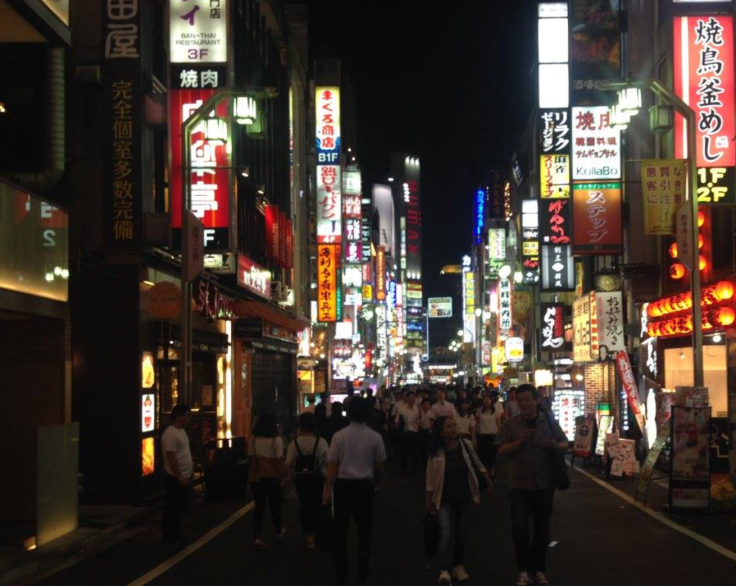
At one time, Tokyo’s nightlife was centered around the club district of Shinjuku. Formerly a tight maze of clubs, bars, shop houses and other restaurants, the area’s rising rent costs has recently seen a change in clientele and business priorities. With the low-key bars moving out, strip clubs and other seedy elements have taken their place.
That isn’t to say it’s all negative; the new joints may have taken over the main boulevards, but the indie underground spots still dominate the side streets. Every other shop back there is a teppanyaki spot selling every kind of barbequed meat you could imagine. Horse meat sashimi, fresh chicken vagina and whale are just a few of several commonly seen items.
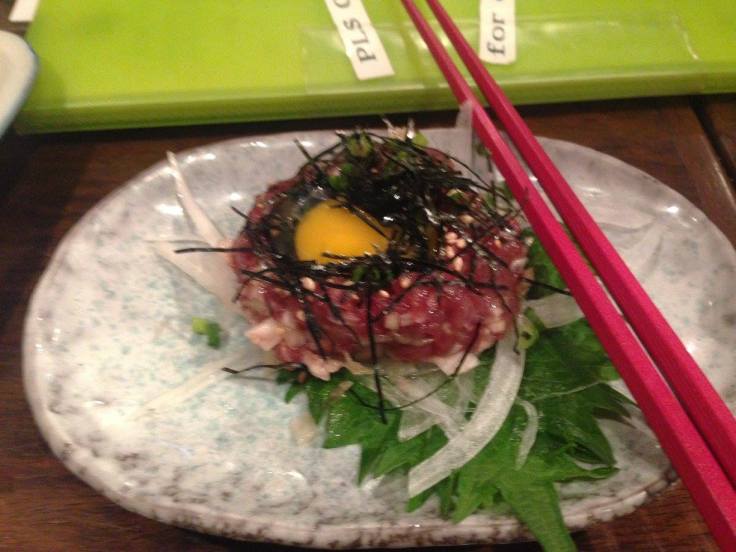
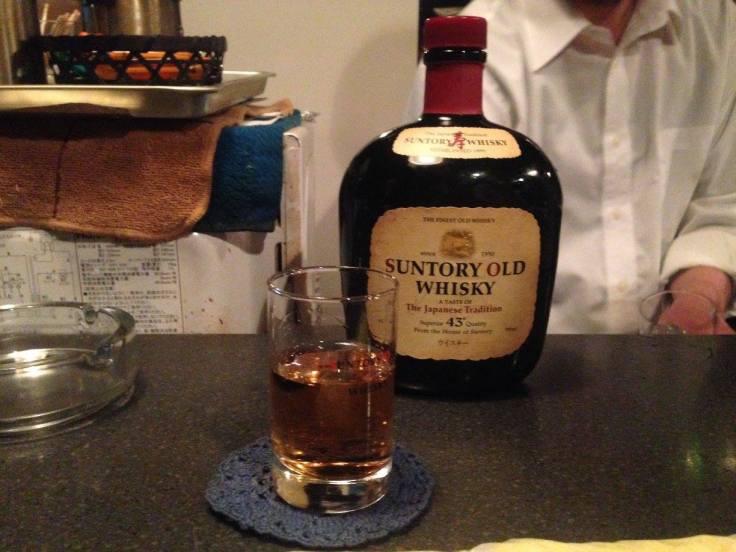
At these eateries, people sit at communal grills while the staff prepares orders in front of them. Everything in Shinjuku is tight and communal. This doesn’t just apply to restaurants, but bars too. At one point, I visited a bar so underground that there was no signage out front. In fact, it was literally underground — 2 stories, to be precise. An elderly gentleman and his son ran it, and it’s possible that I was the first foreigner to visit in many years. It only had seating for about 10 people, and only three choices of alcohol – all varying ages of Suntory Old Whiskey.
 Ultimately, 48 hours is not long enough to take in everything Tokyo has to offer. I didn’t have a chance to make it to the famed fish market or the cosplay and video game district, Akihabara. I did, however, have enough time to get a sense of Tokyo’s unique status, both internationally and within Japan.
Having lived in China, expats can see the daily struggle to balance the new with the traditional, the modern with the cultural. In Tokyo, they’ve achieved it, and that’s a rare enough thing anywhere. As I moved on to Fujikawaguchiko and Kyoto, which both place much differently on that spectrum, Tokyo became the barometer by which all else was measured.
FOOD AND DRINK
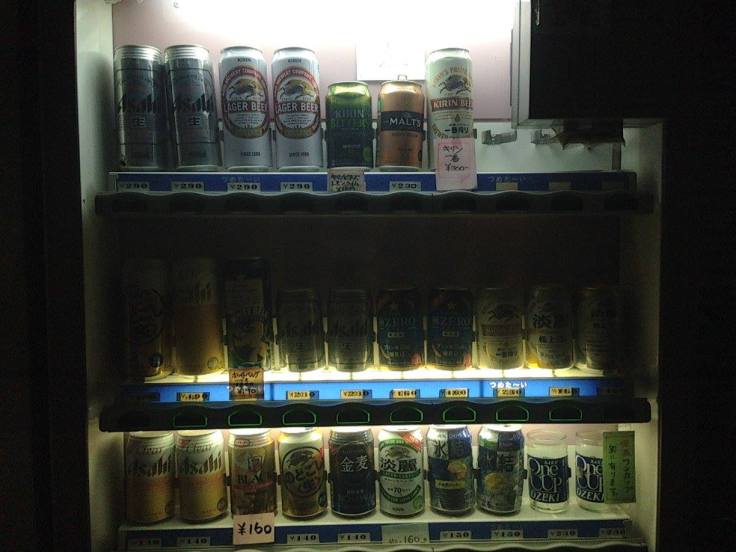
Throughout Tokyo, you cannot go more than a few meters without encountering a vending machine. Complete with a plethora of beer, sake, Pokari sweat and, occasionally, water, they are fully stocked with any beverage you may require. For everything else, 7/11 will be your new best friend. Located about as abundantly as vending machines, 7/11 convenience stores are truly everywhere. From sandwiches to hot food to medicine to groceries, they sell anything and everything you could want.
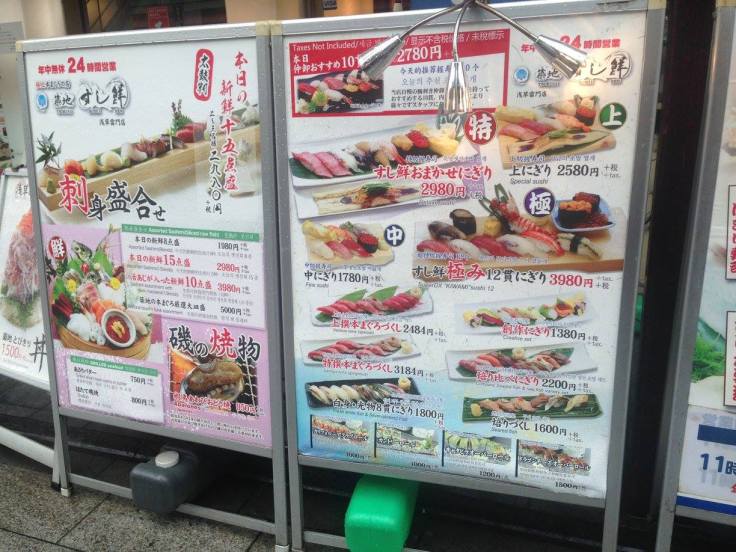
In the context of food, 7/11 can provide almost anything you can order at a restaurant for a mere fraction of the cost. However, you are sacrificing the unique Japanese dining experience. Outside of any given restaurant, there are fully represented plastic displays of what they have on offer. Sashimi, pancakes or ramen, the artificiality is — for the most part — endearingly cheesy, and provides a relatively decent sense of what you will soon be eating.
In another oddity, many restaurants in Tokyo are fully automated. Outside, you will see the aforementioned plastic displays, but this time with numbers attached to each item. When you walk inside, there is a pseudo vending machine on which you click the number of what you want and insert money. This gives you a receipt, which you are then meant to give to a lady at the counter. A couple minutes after you sit down, your order appears on a nearby serving tray. The experience is, on the whole, a bit odd, but very common considering the premium that is paid on individual human service.
GETTING THERE
There are two major airports that service the Tokyo metro area. By and large, Narita handles international flights, while Haneda, domestic. However, this is not a strict rule, and it’s very likely that your flight will be bound for Haneda.
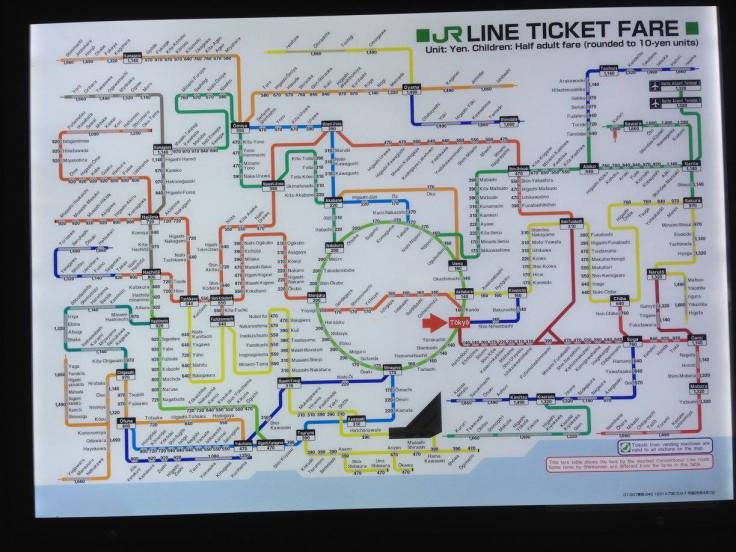
Regardless of which airport you arrive in, some effort will be required to get you into the city center. If Narita airport, the easiest method is to take the Keisei Skyliner. It will cost 2400 Yen (157 yuan), and take you directly from the airport to Ueno station in 45 minutes. From there, you can get on the subway to connect to your final destination. In the case of Haneda, however, things are slightly more complicated. When leaving the airport, first take the Tokyo monorail to Hamamatsucho station. This will cost 470 yen (30 yuan). From there you can connect to the JR Yamanote line, which can get you to any part of the urban city center.
 JAWS Going Places
Great article. Did you send it to the Chronicle? Any other papers around the globe? Give it a try. You have nothing to lose.
>
LikeLike